

Custom Development of VR and MR Applications in Unreal Engine 5
Training simulators, occupational safety and health, virtual showrooms, and therapeutic games for businesses. We don’t have to model your facilities and machinery from scratch—we’ll laser-scan them and convert them into a photorealistic environment that runs smoothly even on standalone headsets.
A game development studio with its own 3D scanning division
We are a Czech studio specializing in business-to-business (B2B) virtual and mixed reality development. We help industrial, technology, and commercial companies accelerate employee training, reduce operational risks, and sell complex products without costly logistics.
Custom VR and MR Applications
Training simulators, virtual showrooms, and presentations for industry, medicine, marketing, and education. We deliver real-time, cinematic-quality graphics for the Meta Quest 3/3S, Pico 4 Enterprise, and high-performance PC-VR systems (Varjo, HTC Vive Pro).
Game Development and Interactivity
We're not just 3D graphic designers—we're software engineers. We program application logic, physics, and interactions; hand tracking; user error detection; and the integration of multiple branches into a single virtual space.
3D Scanning and Game Assets
We have been digitizing the real world since 2016. We use lasers and photogrammetry to scan machines, production lines, and historic buildings, and convert them into optimized models (game-ready assets). The resulting application then matches reality both dimensionally and visually.
Learn more about 3D scanning →In VR, people learn faster and make fewer mistakes
Virtual reality engages both the body and muscle memory. Independent studies show that employees gain more from VR training than from classroom instruction or e-learning.
Fully interactive real-time 3D
No static 360° photos or videos. In a 6DOF environment, users move freely, pick up tools, take machines apart, and actively practice both routine and emergency procedures.
An experience the customer will remember
Showcase your brand through an experience that goes beyond a typical presentation. At the trade show, you’ll give people a reason to stop by, get involved, and associate your brand with something extraordinary.
One-time investment
You pay for development just once. You can then use the finished application over and over again without having to pay for instructors, travel expenses, or monthly licenses, so your investment gradually pays for itself.
¹ PwC: The Effectiveness of Virtual Reality Soft Skills Training (2020). ² Yale University: Virtual Reality Training Improves Operating Room Performance. You can find more statistics in the article Why invest in VR? The language of numbers.
What We Can Develop for You
Six areas where virtual and mixed reality offer the fastest return on investment. We tailor every project to your operations and target users.
Industrial Simulations and Occupational Safety and Health Training
Safe training in assembly procedures, the operation of expensive machinery, maintenance tasks, and emergency situations—such as fires, chemical spills, or working at heights. All without shutting down the production line and without the risk of injury.
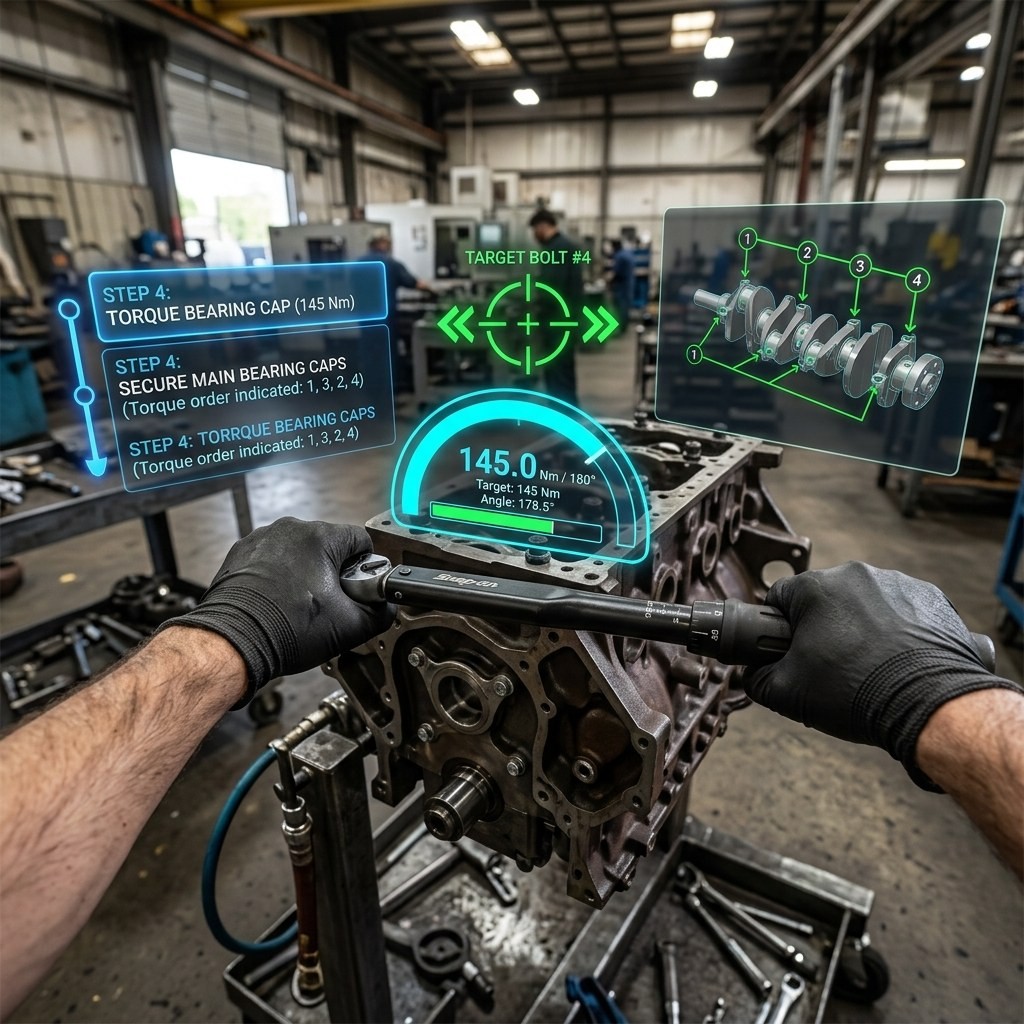
Mixed Reality on an Actual Machine
The worker sees the real-world environment, their hands, and their tools, while the application projects instructions and diagrams directly into their field of view and monitors for errors. Ideal for assembly, service, and quality control.
How Training Works at MR →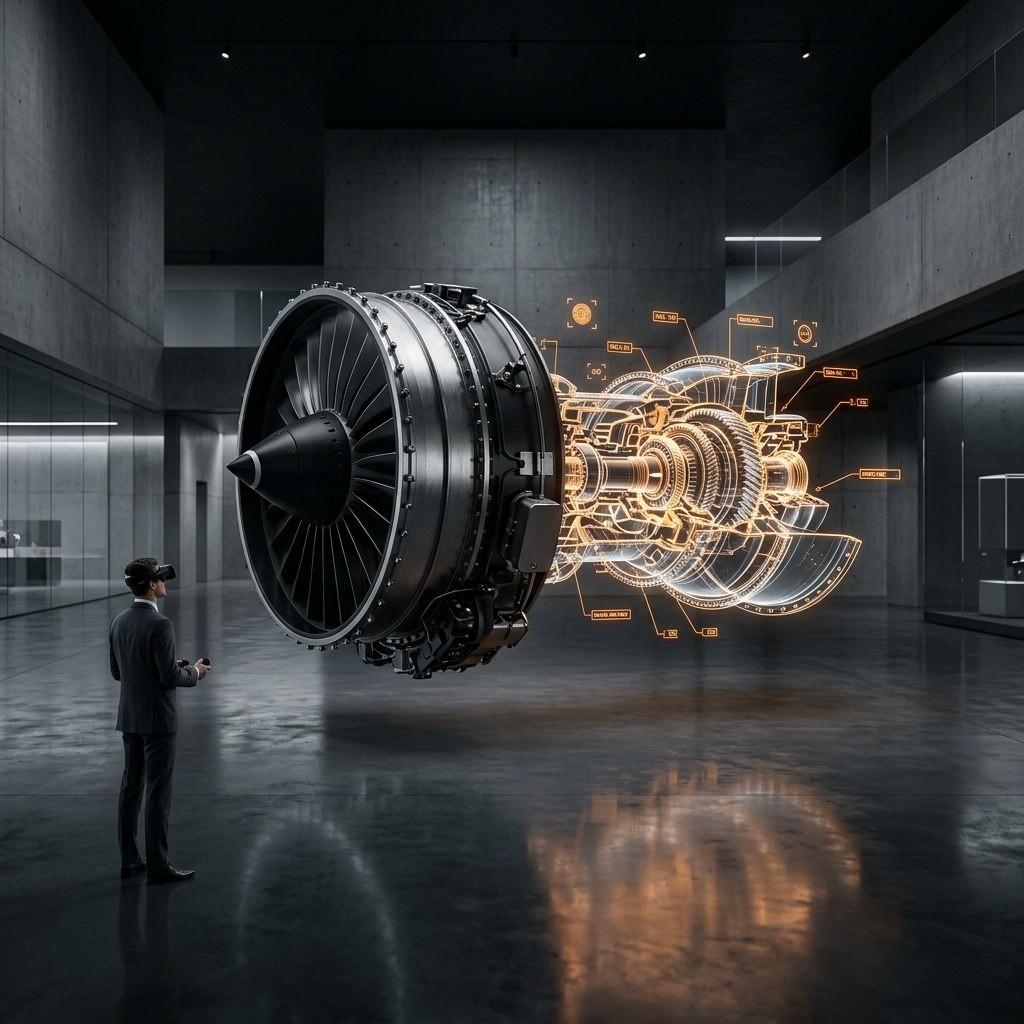
Virtual Showrooms and Configurators
Sell machines that are too large to transport or that currently exist only in CAD. Customers can view the product at a 1:1 scale, break it down into its components, examine a cross-section, and test its functions.
Learn more about virtual showrooms →
Interactive Architecture and Digital Twins
Investors and clients can tour a building, production facility, or real estate development project before construction even begins. You can switch between materials, times of day, and furnishings in real time.

Digitization of cultural heritage
We bring sculptures, artifacts, and even entire castles into virtual reality. Visitors can explore them up close and without barriers, including places they cannot physically reach.
How We Digitize Historical Monuments →
Therapeutic Games and Marketing Campaigns
Rehabilitation and therapeutic VR applications that motivate patients to exercise, as well as engaging gaming experiences for trade show booths and events.
How Development Is Progressing
From the initial consultation to deployment at your company. You’ll know exactly what you’ll get at every stage, and you’ll be able to try out the app with the glasses before the final graphics are created.
Consultation and MVP Design
We'll discuss your business or training goals and recommend hardware and scope. We often advise starting with a single key scenario (MVP) to quickly validate the return on investment. The consultation is free.
Specifications and Scenario
In the design document, we'll describe the user's steps, the scoring logic, the controls (controllers or hand tracking), and the visual style. You'll know exactly what you're buying.
3D scanning or CAD data
We'll use a laser to scan your facility and machinery. If the product doesn't exist yet, we'll import the CAD/BIM data. This is followed by retopology and texture preparation to ensure maximum performance.
Prototyping and Development in UE5
In a simplified prototype (greybox), you'll test the scale and controls using the headset. Then we'll program the final logic, physics, sound, lighting, and, if applicable, multiplayer.
Testing and Optimization
We're testing the app on the target headsets. We're making sure to maintain a steady 72–90 FPS and smooth movement so that no one gets motion sickness—not even complete beginners.
Deployment and Training
We'll provide installation packages (APKs for Quest and Pico, builds for PC-VR, or publications in the Meta Horizon Store), help you purchase headsets, and train your instructors.
Development and Expansion
Thanks to its modular architecture, we can add new scenarios, products, or support for newer headsets to the application at any time—without having to rewrite it from scratch.
Selected VR Projects
Therapeutic games, marketing campaigns, product presentations, and multiplayer visualizations. You can find more of my work in my portfolio.

NeuroBoostVR
A gamified app for people with Parkinson's disease. Players complete tasks that help them practice fine motor skills, balance, and spatial orientation. It runs on Meta Quest headsets.
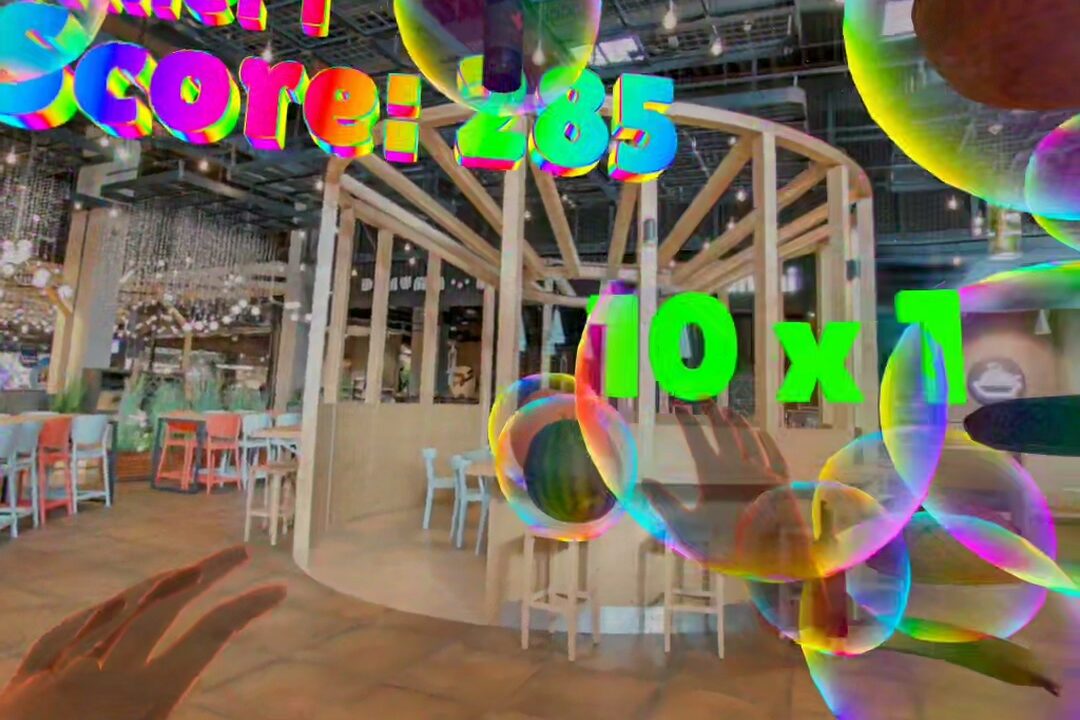
Bubbles
A marketing game to celebrate the opening of the Varyáda shopping center in Karlovy Vary. Players pop bubbles containing merchandise with their hands; they earn points for healthy foods and lose points for alcohol or cigarettes. The game also features combo bonuses and time-slowing effects.

ClaustrOFF
An escape game that helps people with claustrophobia overcome their fear of enclosed spaces. The rooms gradually get smaller, and solving puzzles distracts players from their fear. For Oculus Quest 2 and PC VR.
The entire project →
VR Eshop
A prototype virtual e-shop for a Slovak client. It was originally developed for mobile VR (Google Cardboard), and we later ported it to Oculus Quest 2.
The entire project →
VirtuBee
Our app for showcasing products in VR. Users can view the product from all angles and virtually cut it open to see what's inside and how it works.
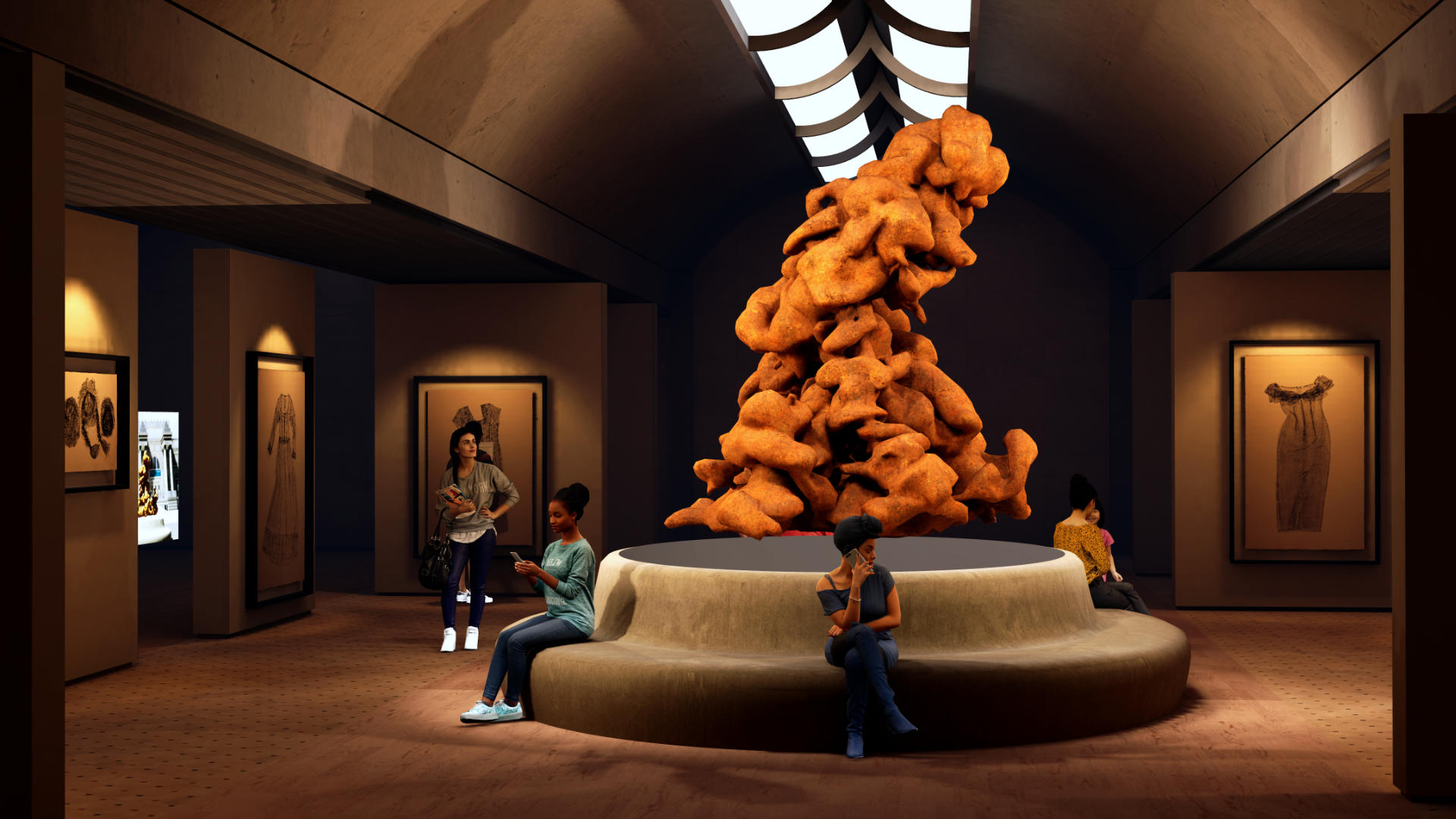
Weathering
An interactive visualization of a cast-iron sculpture currently in production. It shows the scale of the work at different times of day, both indoors and outdoors. The multiplayer mode, featuring voice and gesture controls, was used for presentations at museums and galleries in the U.S.
The Technologies We Use






Before You Contact Us
Answers to the questions we hear most often. If your question isn't listed here, please contact us—we usually respond within 24 hours.
How much does it cost to develop a VR app?
We develop custom solutions for businesses and organizations (B2B). Pricing depends on the scope of the environment, the level of interactivity, and the number of concurrent users. As a rough guide (excluding VAT): pilot Proof of Concept starting at 150,000 CZK, basic applications and showrooms 200,000–450,000 CZK, interactive industrial training and occupational safety and health (OSH) programs from 450,000 to 950,000 CZK, and multi-user platforms starting at 950,000 CZK and up. You do not pay any monthly license fees for ready-made single-player applications. You can find a detailed breakdown in the article How much does it cost to develop a VR app?
How long does development take?
We typically deliver basic applications, virtual showrooms, and pilot projects (MVPs) within 1–2 months. Interactive training simulators with custom physics and logic take 2–4 months to develop, while multi-user platforms take 4–8 months or longer. We’ll set an exact timeline after an initial consultation.
What glasses will the application work on?
Autonomous glasses The Meta Quest 3, Quest 3S, and Pico 4 Enterprise do not require a computer or cables, are affordable, easy to carry, and support color mixed reality (passthrough). PC-VR Systems Devices such as the HTC Vive Pro 2, Varjo, or Valve Index—when connected to a high-performance computer—are ideal for stationary showrooms and simulations that require maximum performance. We’ll help you choose the right one.
Do I need to have my own 3D models?
You don’t have to—and that’s our biggest advantage. We scan production facilities, machines, sets, and products ourselves with millimeter-level precision and convert them into optimized models for Unreal Engine 5. This saves you hundreds of hours of work by 3D modelers. If you have CAD/BIM data, we’ll optimize it for smooth performance in VR. Anything that doesn’t exist yet, our graphic designers will model.
Won't VR users feel sick?
Nausea (kinetosis) is mainly caused by a low frame rate and inappropriate movement patterns. We maintain a steady 72–90 FPS and use movement that feels natural to the brain—such as teleportation or walking around a room (room-scale). This makes the experience comfortable even for complete beginners.
What is the difference between 360° video and a VR app?
360° video (3DOF) is a passive recording: the user can only look around from a single vantage point. Our real-time application (6DOF) in Unreal Engine 5 allows users to walk freely, pick up objects, press buttons, assemble components, and influence what’s happening around them. You can find a detailed comparison in the article 360° Video vs. Real-Time VR.
Will it be possible to modify the app later?
Yes. We build our projects using a modular approach, so we can add a new production line, replace products in the showroom, adjust training protocols, or add a multi-user mode at any time without having to start from scratch.
Which VR headset is the cheapest?
The cheapest option is a smartphone inserted into Google Cardboard-style glasses. However, we don’t recommend this: performance and the operating system vary from phone to phone, there are no motion or hand-tracking controllers, and Google has discontinued the project, so even the current Unreal Engine doesn’t support it. In our opinion, the Meta Quest 3 and Quest 3S headsets offer the best value for the price.
Shall we go for it?
Whether you need a virtual showroom for an upcoming trade show, secure training for new employees, or an interactive visualization, we’d be happy to discuss the technical options with you. We’ll outline the process and prepare a preliminary estimate.